Unlock your child's potential!
Explore articles for invaluable tips on nurturing young minds at home.

Let your child take charge of their learning
Access print-friendly, downloadable Maths and English resources for easy learning.
Our aim is to help children succeed at school. Supporting children in Maths and English can be made easier if you have the right resources.
Choose from our many plans or try us for free with Teach Weekly.
Writing A Book Review - Free Worksheet
Reading To Understand Primary School children read lots of books, but do KS1 and KS2 children...
Read more
Encouraging A Reluctant Reader
Reading is an essential life skill. Children who choose to read books for pleasure and enjoyment...
Read more
Simple Ways to Encourage Your Children to Learn and Achieve
As parents, our role in shaping our children's educational journey is crucial, especially during...
Read more
How to Help Kids Join in Conversations During Family Get-Togethers and Events: A Simple Guide.
Family get-togethers are special times full of laughs and shared stories. But getting kids to...
Read more
Jingle Bell Bonds: A Parent's Guide to Creating Special Christmas Moments and Spending Quality Time With the Kids
The Christmas holiday season is a magical time for families to come together, create lasting...
Read more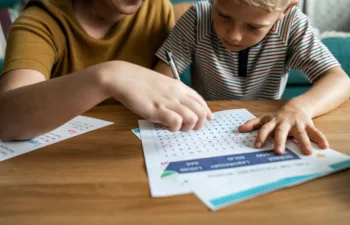
Activity Ideas to Keep Your Kids Entertained at Home
Keeping your kids busy during the summer can feel like a real challenge. The closure of schools...
Read more
Creative Springtime Fun: Family Activities to Improve Your Physical and Mental Health
How To Improve Children's Physical and Mental HealthSpringtime is the perfect time for families...
Read more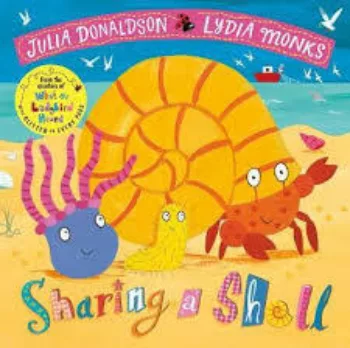
Storytime - Sharing a Shell by Julia Donaldson - Read Aloud Story
Join us on YouTube and listen to the story of 'Sharing a Shell' by Julia Donaldson read out aloud...
Read more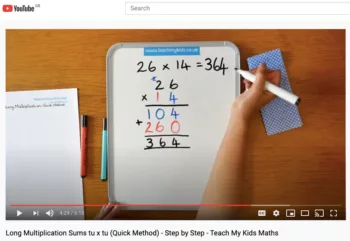
How To Do Long Multiplication Sums (tu x tu) - Step by Step Guide - Quick Column Method
Long Multiplication sums (tu x tu) - Step by Step Explanation - Quick MethodLearning to multiply...
Read more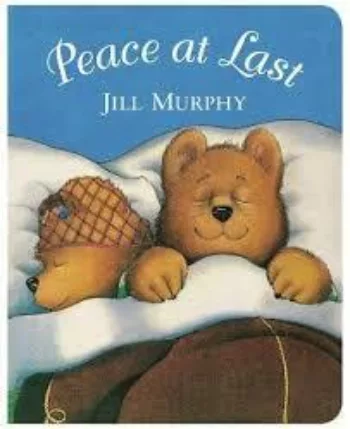
Storytime - Peace At Last! by Jill Murphy - Read Aloud Story
Read Aloud Story - Peace at Last! by Jill Murphy.Join us on YouTube and listen to the story of...
Read more
Storytime - We're Going on a Bear Hunt by Michael Rosen- Read Aloud Story
Read Aloud Story - We're Going on a Bear Hunt by Michael Rosen.Join us on YouTube and listen to...
Read more
Storytime - The Very Hungry Caterpillar by Eric Carle - Read Aloud Story
Read Aloud Story - 'The Very Hungry Caterpillar' by Eric Carle.Join us on YouTube and listen to...
Read more
Storytime - My Dad by Anthony Brown - Read Aloud Story
Read Aloud Story - 'My Dad' by Anthony BrownJoin us on YouTube and listen to the story of 'My...
Read more
Storytime - The Lighthouse Keeper's Lunch - Read Aloud Story
Read Aloud Story - The Lighthouse Keeper's Lunch by Ronda & David ArmitageJoin us on YouTube...
Read more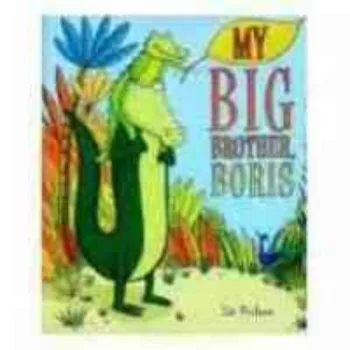
Storytime - My Big Brother Boris - Read Aloud Story
Read Aloud Story - My Big Brother Boris by Liz PichonJoin us on YouTube and listen to the story...
Read more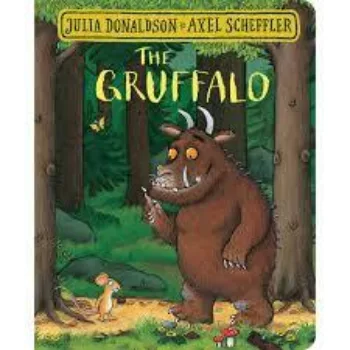
Storytime - The Gruffalo - Read Aloud Story
Read Aloud Story - The Gruffalo by Julia DonaldsonJoin us on YouTube and listen to the story of...
Read more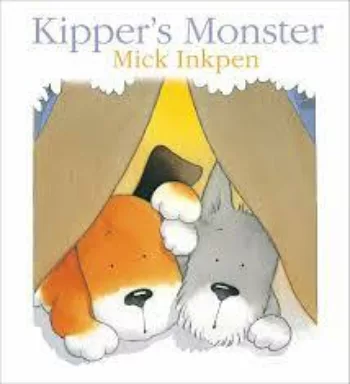
Storytime - Kipper's Monster - Read Aloud Story
Read Aloud Story - Kipper's Monster by Mick InkpenJoin us on YouTube and listen to the story of...
Read more
Why is Storytime and Reading To Children Important?
Why Is Story Time And Reading To Children Important? What Is Storytime? Storytime is a time when...
Read more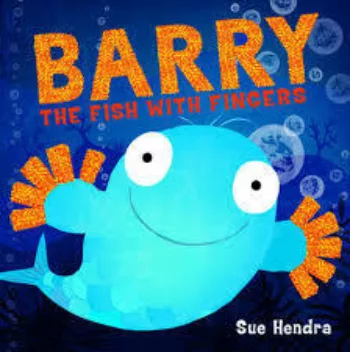
Storytime - Barry The Fish With Fingers - Read Aloud Story
Read Aloud Story - Barry The Fish With Fingers by Sue HendraListen to the story of 'Barry The...
Read more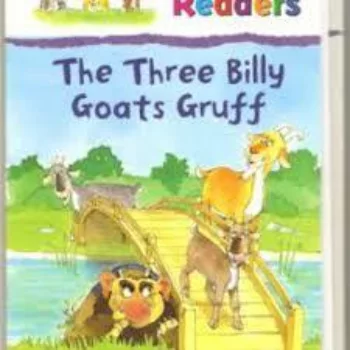
Storytime - The Three Billy Goats Gruff - Read Aloud Story
Read Aloud Story - The Three Billy Goats GruffListen to the story of the 'The Three Billy Goats...
Read more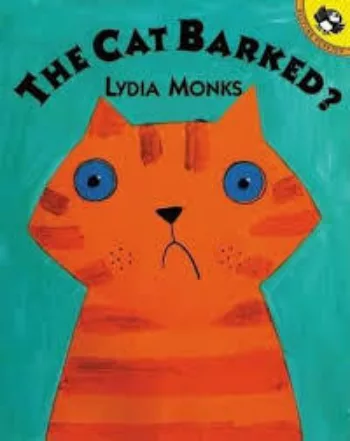
Storytime - I Wish I Were A Cat - Read Aloud Story
Read Aloud Story - I Wish I Were A Cat by Lydia MonksListen to the story of 'I Wish I Were a Cat'...
Read moreDon't miss out! Sign Up for our Newsletter
Sign up to our newsletter to receive regular updates on parenting, schooling, offers and other...
Read more
Spelling Tips: How to Help a Child Learn Their Spellings
How to Learn Spellings. Spelling tips and Strategies for Children Your child may be given a set...
Read more
Understanding Phonics and CVC Words
What is Phonics? Phonics is taught to all children in the Foundation Stage and KS1. Children...
Read more
Instruction Writing for Crossing the Road - Worksheets
Develop writing skills in Literacy. Non-Fiction writing is am key part of the Literacy Framework...
Read more
How to Write a Letter - Thank You Letter to Carol Singers
Literacy, Non - Fiction Writing. Activities for children can include writing letters. As part of...
Read more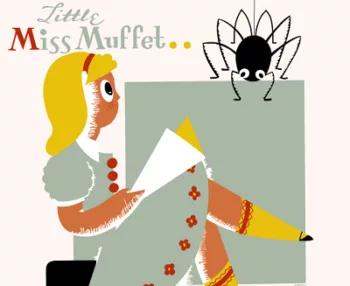
Little Miss Muffet - How to Help Children Write A Poem Worksheet
Helping Children Write PoemsThere are many types of poems. KS1 children are introduced to poetry...
Read more
Writing Descriptive Sentences (adjectives) - What Can You See?
Writing Descriptive Sentences Writing sentences that help the reader create a picture in their...
Read more
Write Interesting Sentences - Using Conjunctions, Adjectives and Adverbs Worksheet
Extending Sentence To Make Them Interesting KS2 children need help with writing interesting...
Read more
Outdoor Science - Outdoor Activities For Children - Find It Activity
Exploring the Wonders of Outdoor Science: A Natural Classroom for Children Science is everywhere....
Read more
Multiplication Word Problems and Learning Times Tables
Why Learn and Memorise Times Tables? Learning times tables is crucial for children's mathematical...
Read more
Maths - Number Bonds to 10 Worksheet
Number BondsKS1 and Foundation Stage children will learn to add to 10. They will be taught pairs...
Read more
Free Maths Worksheet - Partitioning Numbers (Hundreds, Tens and Units)
What is Partitioning Numbers? Teaching children to partition numbers is part of the Maths Primary...
Read more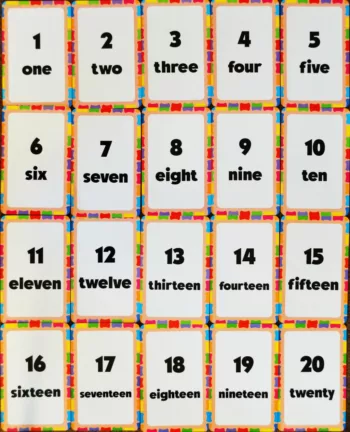
Free Maths Worksheet - Place Value Cards for making numbers and partitioning
What is Place Value?How Do You Partition Numbers?In maths, numbers have a place value. This can...
Read more
Oxford Reading Tree E-books and Activities For Children
You can read these free Oxford Owl e-books with your child. Enjoy stories which include some...
Read moreEssential Guide to Phonics in School - Information and Free Booklet
If your child is aged between 3 and 8, or you want to find out more about phonics and how reading...
Read more
Free Literacy Worksheet. How To Improve Children's Story Writing & Planning - Story Mountain
How To Help Children With Story Writing Throughout their school life, children will have listened...
Read more
Story Ideas - Characters, Settings, Objects and Interesting Words Helpsheet
Story Writing Ideas Don't know what to write a story about? Sometimes the hardest part of story...
Read more
How Many More? KS1 Maths, Counting On Worksheet
Rocket Numbers.Find the missing number in these add sums by counting on. Children can use cubes,...
Read more
KS2 Division - How To Divide Using The Chunking Method - Maths Worksheet
Key Stage 2 division worksheet - numbers under 100. How to divide larger numbers by using...
Read more
Homework Survival Guide - Keystage 2
This guide has been produced by the DFE to help parents support their keystage 2 children with...
Read more
Making Sentences More Interesting - Using Nouns, Verbs, Adjective and Adverbs Worksheet
How to make sentences more interesting. KS2 children often don't know how to make their...
Read more
Storyboard - Help With Planning And Writing A Story
Planning and writing a story can be made easier by using a storyboard. The ideas on your...
Read more
Times Tables Square (multiplication) - Activities For Learning Times Tables
Why Learn Multiplication Tables?Learning and knowing your times tables is an important maths...
Read more
Using Verbs and Adverbs in Sentences - What Are Verbs and Adverbs? How To Use Verbs and Adverbs.
What is a verb? A verb is a word in a sentence that tells the reader what action is being done....
Read more
Money Problems - Using Coins - Shopping Games Using Money
Money Problems, Add and Subtract Money, Giving ChangeUsing shopping labels will help your child...
Read more
Enhancing Children's Learning in Math and English with Flashcards
Sometimes that simplest of resources helps children learn effectively and quickly! Flashcards...
Read more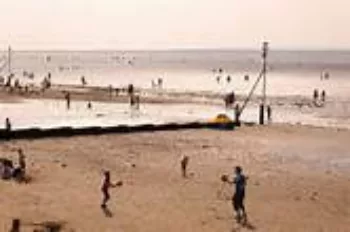
Hunstanton - Hunstanton Beach
Hunstanton in Norfolk is a lovely beach to visit with young kids. Our usual haunt is Skegness,...
Read more
Colouring - Developing Pencil Control or a Holding Activity?
Developing Pencil Control and Fine Motor Skills Colouring - some kids love it, some kids hate it,...
Read more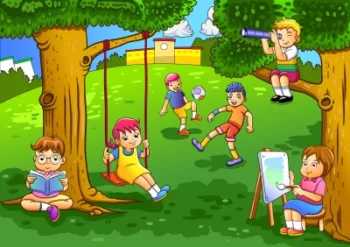
Top Ten Outdoor Games for Kids
Is it a sign of the times or are parents too scared to let their kids play outside? As a child, I...
Read more
KS1/KS2 SATs - What are SATs, 5 Ways To Help Your Child With SATS Revision
KS1/KS2 SATs - (Standard Assessment Tests) SATs Assessments take place every year at school. Key...
Read more
6 Ways To Encourage 4-8 Year Olds To Retell A Story (Speaking & Writing)
Why Retell A Story? Most children love to listen to stories being read to them. Many enjoy...
Read moreStorywriting Ideas - ITV's CITV Share A Story Competition
ITV's Share-a-Story competition has now closed. It is a chance for children to create a story by...
Read more
Why Sleep and Physical Activity is Important for Children - A Teacher's View
Many schools are encouraging children to cycle or 'scooter' to school to encourage more physical...
Read more
Assessment of Children's Progress in KS1 and KS2 - A Guide for Parents
How Will Assessments at Primary School be Changed? It's all change for the Primary National...
Read more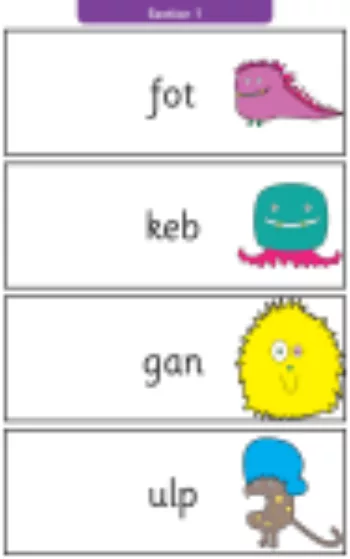
Phonics Screening Check - Year 1
What is the Year 1 Phonics Screening Check? All Primary School children in Year 1 will take the...
Read more
Grammar Help - What is a Simple, Compound and Complex Sentence?
Grammar for Children - Using Different Types of Sentences A great writer uses different types of...
Read more
Easter Activities for Kids - Craft, baking and writing ideas for Easter
Easter is a lovely time of year. With winter behind us, longer days and gardens starting to look...
Read more
Reading Strategies - Help Your Child Improve Their Reading
Learning to read is one of the most important skills children learn. Developing a love for books...
Read more
An Essential Guide to Parents Evening – 10 Top Tips for Making the Most of It.
What to Expect at Parents Evening Going to your child’s parents evening can be a daunting...
Read more
Primary School SATs Results Explained
SATs And How Primary School Children Are AssessedChildren at Primary School are assessed...
Read more
5 Easy Steps To Goal Success For Your Family.
How to help every member of your family reach their goals.Write on a piece of paper “I am …” five...
Read more
Alnwick Castle and Alnwick Garden, Alnwick, Northumberland
Alnwick Garden is great to visit any time of the year and is a registered charity. It has...
Read more
Sundown Adventureland, Retford, Nottinghamshire
Sundown Adventureland in Retford, Nottinghamshire, is a small theme park designed for under 10's...
Read more
Activities for Kids - Holiday Activities and Games
The school holidays are here. You don't want your children to sit and watch T.V or play computer...
Read more
School Summer Holidays - To do homework or not?
School summer holidays. Primary school children at home for nearly 6 weeks! Unless you are taking...
Read more
How to Deal with Kids Who Suffer From Car Travel Sickness
Traveling With ChildrenTravel sickness is a problem for many young children. Luckily most will...
Read more
Motivate Your Child - Kids Reward Charts - Boys/Girls
Motivating children can be a hard task sometimes. Use these reward charts to encourage your child...
Read more
How To Improve your Child's Creative Writing In Literacy
Writing In SchoolChildren in Primary School are asked regularly to write stories, poems, plays,...
Read more
KS2 SATs Changes - A guide for parents.
Key Stage 2 SATs 2013 are changing for Year 6 children in Primary School. The maths tests will...
Read more
Why Read With Your Child At Home?
Why Reading To Your Child At Home Is Of BenefitReading to your primary school child everyday is...
Read more
Teach KS2 Children Division - What Is The ‘Chunking’ Method?
The Chunking Method Division in many Primary Schools is taught using repeated subtraction. The...
Read more
How To Make Your Child Happy
What Can I Do To Make My Children Happy?How can we define a happy child? Happy children are...
Read more
Top Ten Tips For Homework Survival - How To Get Your KS2 Child To Finish Their Homework!
HomeworkIt happens every week. Your child comes home from school with homework! In an ideal...
Read moreEncourage Your Child To Learn And Achieve At School
This 'Working Together' pack has been put together by the DFE, using research carried out to...
Read more
5 Quick Tips To Help Create A Clever Child
Quick Tips For Parents Who Want To Raise A Clever Child.We all want our children to do well at...
Read more
How To Get Children To Learn, Without Lifting A Finger!
Teach Your Kids - A Quick And Easy MethodParents are busy people. They would like to spend as...
Read more
Teach Your Child A Second Language - Why?
Why And How To Teach Your Child A Second LanguageTeaching your child a second language before the...
Read more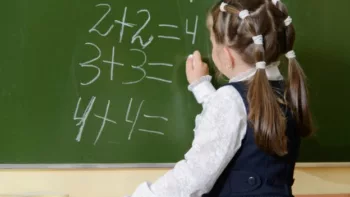
How To Add And Subtract - KS1/KS2 Quick Guide, Methods Used In Primary Schools
Maths - Addition and Subtraction Written MethodsThe way addition and take away is taught in...
Read more
How To Raise A Confident Child.
Raising A Confident And Content ChildIt can be so difficult getting the balance right, every...
Read more
8 Games And Songs For Long Car Journeys
Keeping children entertained during a long car journey is never easy! Here are some games you can...
Read more
KS1/KS2 SATs - What are SATs, 5 Ways To Help Your Child With SATS Revision
SATs Revision Tips5 Ways To Help Your Child With SAT's RevisionDon't worry or panic your...
Read more
Computer Games - How It Can Affect Children’s Behaviour
Computer Games, Video Games - The Effects They Could Have On Our Children.Computer Games,...
Read moreWhy Sleep and Physical Activity is Important for Children - A Teacher’s View
We like to feel like we are encouraging our children to take part in physical activity and think...
Read more
How To Write More Interesting Sentences
What is an interesting sentence? There are lots of elements that can make a sentence interesting....
Read moreTop Story Writing Tips
Top Story Writing TipsAsk your child what kind of stories they like to read. Why do they like...
Read more
5 Tips To Help Children Learn Their Times Tables
These quick tips can be used at anytime, by anyone - in the car, on the way home from school,...
Read more
Top Tips For Reading Together With Your Child
Children should given books from school to take home to read on a regular basis. It may be: a...
Read more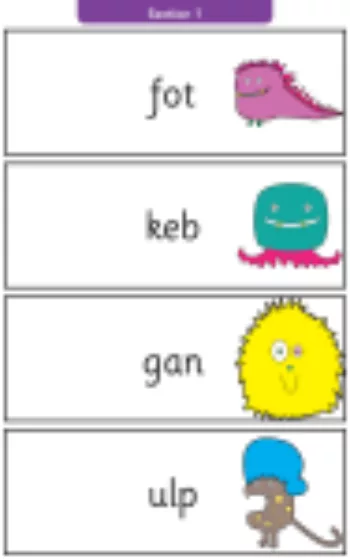
New phonics reading test for 6 yr olds - Good or Bad?
Year 1 Phonics Screening CheckChildren in Year 1 in Primary School could soon be tested on their...
Read more
How Do They Teach Addition At School? (F2 / Yr 1)
Numeracy in schools is taught very differently to how it was taught when I went to school. The...
Read more
How good is your child’s school? OFSTED Website For Parents
Parent View - OFSTED Primary School ReviewMost parents send their children to the primary school...
Read more
Christmas Song Words
It happens every year. The kids come home either:- Singing christmas songs and asking you for the...
Read more
How to teach letters and sounds (Phonics) at home
If your child has just started school or is due to start soon, you may want to give them a...
Read more
Christmas Activities for Kids
Join Today and Get Access to Maths & English Worksheets Tis the season to be jolly – until...
Read more
Don't take our word for it...
"Amazing site just renewed my subscription for the second year. This site is well structured and has helped to assure me that the work we do at home co-ordinates and strengthens the work done at school."
"Teach My Kids is a fantastic resource. We use the work sheets to reinforce the Maths and English that our children, James 9 and Katie 8, are learning at school. They are ideal for when we have a spare 10 – 15 minutes, and also give us as parents the opportunity to see how much our kids know!
As and when the work sheets are completed, I log in and tick them as completed, so it’s clear which topics have been covered. I try to do 2 - 4 of worksheets a week and feel that they are of great benefit to both our children.
I would definitely recommend ‘Teach My Kids’, it’s fantastic value for money and if you have any questions or queries these are answered promptly."
"I have found the ‘Teach my Kids’ website to be very helpful and informative. The worksheets met my children’s individual needs at a time when I was struggling with ways in which to support them. They were very easy to follow have made a real impact on their confidence in Maths and English.
The website is clear and well thought out and easy for anyone to follow. Any queries are responded to promptly. A great website for parents!"
"Teach My Kids has all the ingredients of the National Curriculum and above all good lesson planning. Such an excellent tool for parents and children. The worksheets are attractive and easy to read and follow. Excellent lively illustrations. I am impressed by the rewards systems and learning path progress. The learning paths are well constructed and brilliant because all the children in the family can use it. Very useful advice to parents.
I would encouraged parents towards this user friendly and excellent web site."
"Teach my kids is a very valuable website! Great worksheets available that help me and my child on her sometimes confusing learning path. Fabulous helpful and friendly owners, would highly recommend!"
"I have been with Teach My Kids for a few months and can see an improvement in my daughter. The rewards have helped her stay focused."

Putting Your Child's Education First


All rights reserved © Teach My Kids 2024
Site designed and built by BillyMedia