How to Help Kids Join in Conversations During Family Get-Togethers and Events
Maths and English worksheets for your child's year group, made by Sunita, an experienced UK primary school teacher. Print them at home and sit together for ten minutes.
Free trial, no card
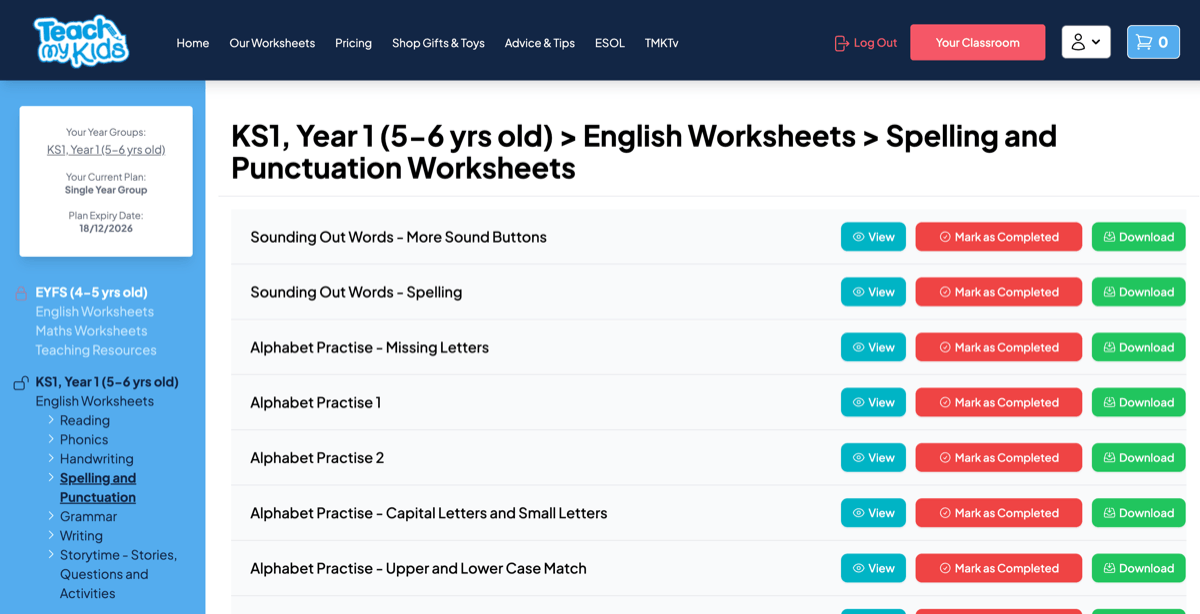
Try the classroom free for 7 days
Sign up free, pick your child's year group and print 3 worksheets this week. Made by a UK primary school teacher, yours to use at the kitchen table.
- ✓Made by an experienced UK primary school teacher
- ✓Mapped to the national curriculum, Reception to Year 6
- ✓Print at home and work on paper, no screen needed
No card needed. One teacher, every worksheet.

Family get-togethers are special times full of laughs and shared stories. But getting kids to join in the conversation can be tricky.
This guide will show you easy ways to help children feel part of family conversations, making sure they feel listened to and valued.
- Make It a Friendly Space
Start by making family gatherings comfy and welcoming. Put out cozy seats and set up spaces that make it easy for everyone to chat. Creating a positive environment will help kids feel more relaxed about joining in.
- Ask Questions That Need More Than a Yes or No Answer
Instead of asking questions that get short answers, try asking ones that need more explanation. For example, ask about their favourite part of the day, something cool that happened at school, or a funny story. This encourages children to talk more about what's going on in their lives.
- Really Listen to What They Say
Show that you're interested in what kids have to say by listening actively. Look at them when they talk, nod to show you're following, and reply thoughtfully. This helps them know that what they say matters and makes them more likely to share more in the future.
- Have Fun with Conversations
Kids love talking about fun stuff. Bring up light-hearted topics, share funny family stories, or play games that get everyone talking. The goal is to make talking a fun part of being together.
- Share Your Own Stories
Children enjoy hearing stories, especially if they're about their parents or older family members. Share your own stories from when you were their age, adventures you had, or funny things that happened. This shows that everyone, no matter their age, has interesting stories to share.
- Get Siblings Working Together
If there are siblings close in age, encourage them to work together. Give them joint tasks or ask them to share their experiences with each other. This teamwork can then spill into wider family talks, making them feel like a team.
Baketivity - Baking Kits for children
Mel Science - Science Kits to encourage curiosity and scientific experiences
- Get Creative with Expressing Themselves
Children often express themselves better through creative activities. Provide drawing materials, crafts, or writing prompts during family gatherings. This gives them another way to share what they think and feel in a way that suits them.
Art and Craft Sets for Kids
Join to Teach My Kids to get access to Literacy worksheets.
- Talk About Their Interests
Introduce conversations that match the kids' interests. Whether it's talking about favourite books, movies, or hobbies, tailoring conversations to what they like makes it more interesting and easier for them to join in.
- Celebrate Their Wins
Acknowledge and celebrate the things children achieve. Whether it's doing well at school, learning a new skill, or reaching a personal goal, recognising their efforts makes them feel proud and more likely to share with the family.
- Use Technology Wisely
In today's world, technology can help with communication. Try age-appropriate apps, games, or interactive storytelling platforms that encourage participation. Just remember to keep an eye on screen time and make sure technology adds to, not replaces, face-to-face talks.
Amazon Kids+ - books, games, videos etc. designed for kids 3 - 12 years old
Making family conversations with children enjoyable and meaningful is a great way to strengthen family bonds. By creating a friendly space, asking good questions, and adding fun elements, you're setting the stage for positive talking experiences.
Remember that each child is different, so adapting these ideas to their likes and dislikes ensures a more tailored and successful approach.
Teach My Kids offers a variety of printable worksheets to help your children learn and improve their maths and english skills.


Who makes the worksheets
Sunita
UK primary teacher
Every worksheet on Teach My Kids is made by Sunita, a UK primary school teacher with over ten years in the classroom. She writes each one by hand and maps it to the national curriculum, so what your child practises at home lines up with what they do at school. It's all on paper, not a screen, and takes about ten minutes a day.
Try the classroom freeWhat you're joining
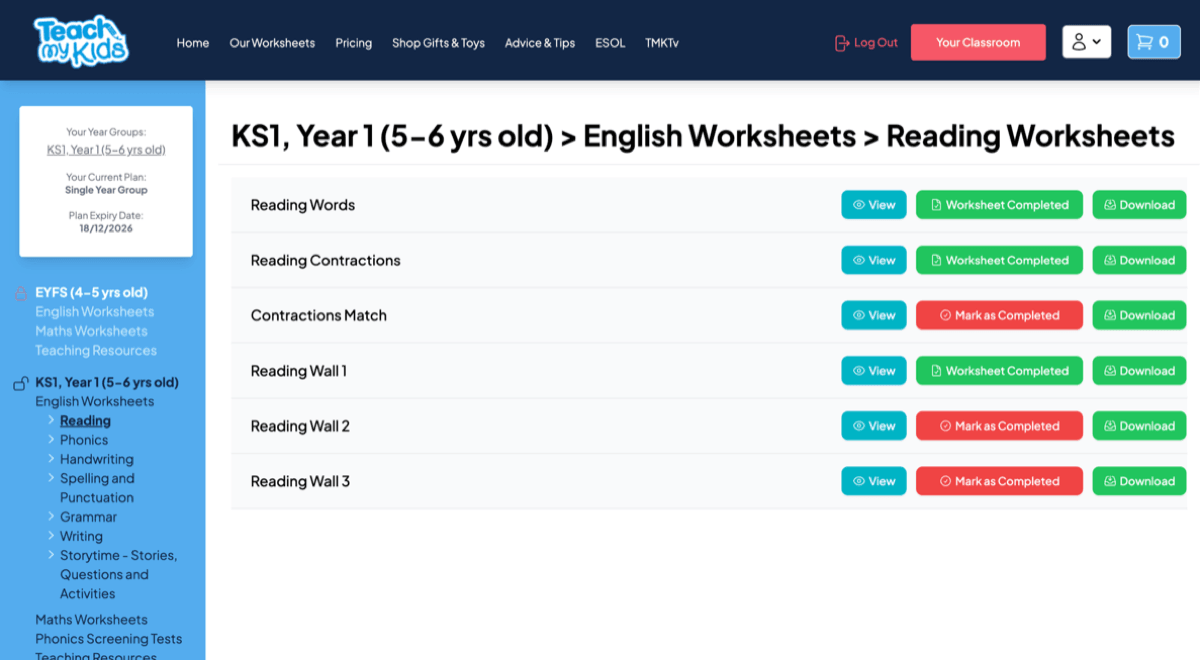
This is your child's online classroom.
You're not buying a single worksheet. You log in to a space set up for your child, where the full library unlocks and everything stays in one place.
-
1.
Your own space, any time.
A login for your family. No app to install. Open it whenever suits you.
-
2.
Set to your child's year.
Pick their year group and the right worksheets unlock. Move it up as they grow.
-
3.
The whole library unlocks.
Every worksheet for their year in maths and English, matched to the school curriculum and sorted by topic. Not one sheet, all of them.
-
4.
Print what you need, when you need it.
The whole library is open, so you print this week's topics when they come up at school. No daily limit and nothing to ration. Come back as often as you like.
-
5.
Tick off what's done.
Mark each worksheet as done so you can see what your child has covered.
Common questions
Questions parents ask
- Are the worksheets made by a teacher?
- Yes. Every worksheet is created by an experienced UK primary school teacher and mapped to the national curriculum, so what your child practises lines up with school.
- How does Teach My Kids work?
- Set your child's year group and the matching maths and English worksheets unlock. Print what you need at home, sit together for ten minutes, then tick off what they have finished.
- Can I print the worksheets at home?
- Yes. They are built for paper, so you print them at home and your child works away from a screen. That is the whole point: structured practice, off the device.
Year groups
Set your child's year and their library unlocks.
Every year is mapped to the UK curriculum. Pick the year your child is in and that whole library opens up. Move it up as they grow, or drop back a year if they need to catch up.
From the kitchen table
From parents who already print at home.
Real parents, phonics through to SATs.

Putting Your Child's Education First


General
Worksheets by year and topic
- Reception maths worksheets
- Year 1 maths worksheets
- Year 2 maths worksheets
- Year 3 maths worksheets
- Year 4 maths worksheets
- Year 5 maths worksheets
- Year 6 maths worksheets
- Year 1 English worksheets
- Year 2 English worksheets
- Year 3 English worksheets
- Year 4 English worksheets
- Year 5 English worksheets
- Year 6 English worksheets
- Times tables worksheets
- Multiplication tables check
- Multiplication worksheets
- Division worksheets
- Fractions worksheets
- Decimals worksheets
- Percentages worksheets
- Place value worksheets
- Addition worksheets
- Subtraction worksheets
- Telling the time worksheets
- Shape worksheets
- Grammar worksheets
- Fronted adverbials
- Adverbs worksheets
- Nouns worksheets
- Verbs worksheets
- Adjectives worksheets
- Spelling worksheets
- Handwriting worksheets
- Phonics worksheets
- Phase 5 phonics
- KS2 SATs papers
- KS1 SATs papers
- Year 6 SATs
- Clauses
- Conjunctions
- Pronouns
- Determiners
- Modal verbs
- Apostrophes
- Punctuation worksheets
- Angles worksheets
- Symmetry worksheets
- Perimeter and area
- Rounding worksheets
- Roman numerals
- Negative numbers
- Money worksheets
- Sound buttons
- Tricky words
- Common exception words
- Browse all worksheets →
All rights reserved © Teach My Kids 2026. Site by BillyMedia, a Craft CMS developer